
Challenges of Doing Business in Vietnam: 3 Costly Assumptions
Last updated:

Challenges of Doing Business in Vietnam: What Innovature’s CEO Learned
Ask about the challenges of doing business in Vietnam and most conversations turn to tax, licensing and regulation. For Thuy Doan, Founder and CEO of Innovature BPO, the problems that catch foreign companies off guard come later. They surface once the team has started work.
She made that case at The Vietnam Playbook: Key Considerations for Business Success, an event hosted by the Institute of Singapore Chartered Accountants (ISCA) in Vietnam. Her message to the audience was to keep the standards they bring from home and adapt the way those standards are put into practice.
Below is a recap of her session, built around three assumptions she often sees foreign businesses make. Some treat setup as the hardest part. Others see a team in Vietnam mainly as a way to cut costs, or expect the business culture to work like Singapore’s. For each, she offers a practical alternative.
The Vietnam Playbook: Key Considerations for Business Success at ISCA
The event, held in October by ISCA’s Vietnam Chapter, brought together business leaders, professionals and industry experts from the Vietnam–Singapore business community.
Speakers from the advisory, tax and accounting community took the audience through Vietnam’s legal and regulatory landscape, its main tax frameworks and recent tax updates. Thuy picked up where setup ends, with what it takes to keep a business running well once it’s open.
Her own route to that question started in accounting. She spent more than 10 years in the US, including time as Director of Accounting at a staffing company. In 2012, she moved back to Vietnam to become CFO, and later Managing Director, of Forbes Vietnam.
Innovature BPO grew out of a request in 2015, when her former US employer asked her to set up its back office locally. She started with three people: herself, a co-founder and an admin. The company now has more than 250 people in Vietnam and the Philippines and works with clients on four continents.
Being Vietnamese didn’t make it easy. As Thuy puts it, “Knowing Vietnam and knowing how to build a business in Vietnam are two very different things.” That gap between knowing a market and operating in it is where the three assumptions below come from.

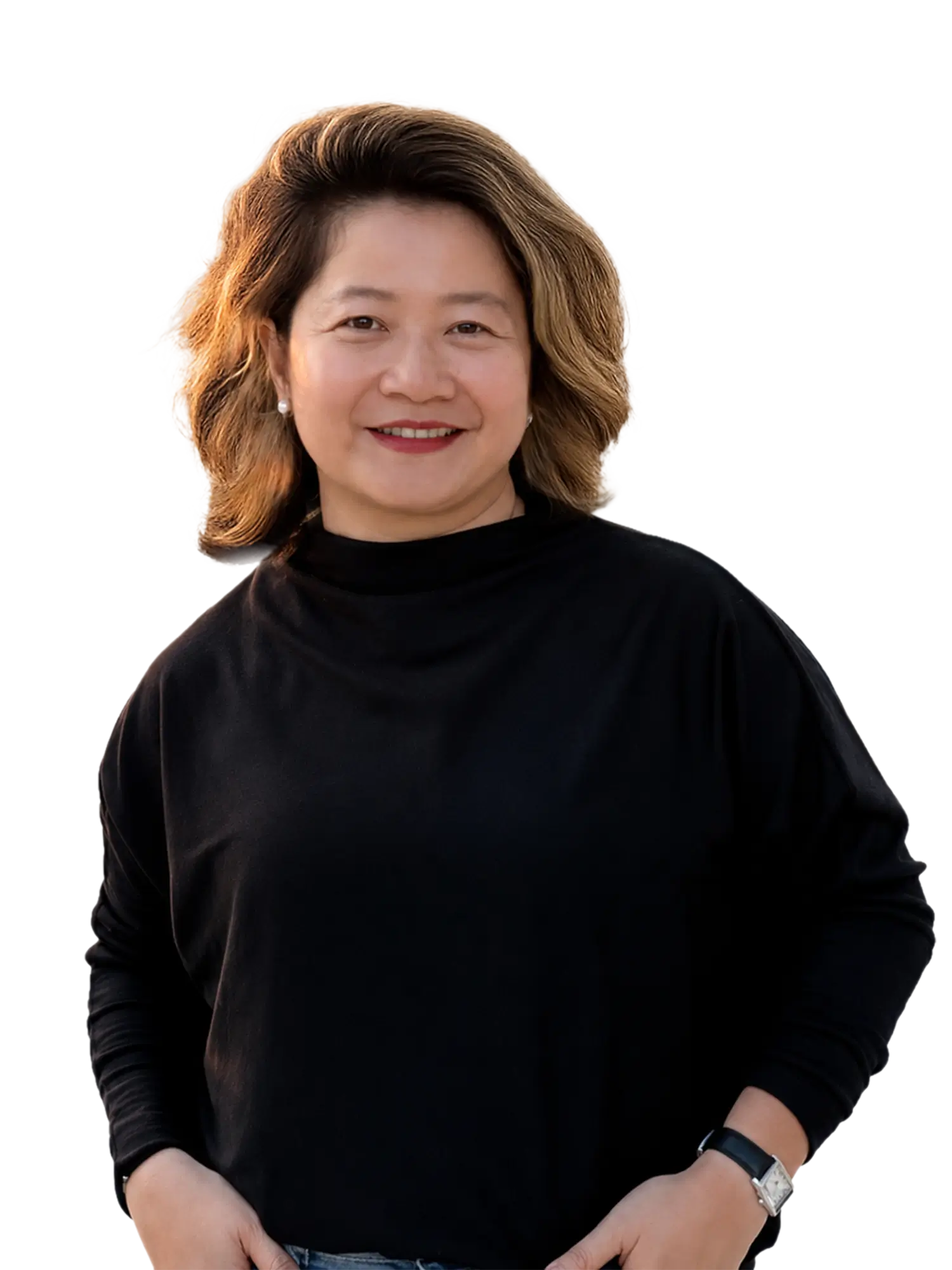
Thuy Doan speaks about the challenges of doing business in Vietnam at the ISCA event
The real challenges of doing business in Vietnam: 3 costly assumptions
If you are planning operations in Vietnam, the tax and licensing questions will get answered, and good advisors can walk you through them. Fewer people will warn you about the assumptions you bring from home, which can prove just as costly. Thuy singled out three.

Assumption 1: Setup is the biggest challenge of doing business in Vietnam
Setting up a company in Vietnam follows a clear process. In Thuy’s view, success depends more on what comes next: finding people who can help you run the business.
In Singapore, companies can rely on the system: the regulator, the courts, established processes. In Vietnam, you rely on people until you have built your own systems. That is why Thuy believes your local team matters more than your local knowledge.
You don’t need to understand everything about Vietnam yourself, as long as the people around you do. Her own first team was small. Her co-founder brought sales, marketing and real knowledge of the market, Thuy covered finance and operations, and one admin supported both.
The second step is to put a management structure in place early. Building a management team when you have 10 people feels uncomfortable and expensive, Thuy says, but building it at 100 costs far more.
“Don’t just ask ‘who can help me set up the company?’ Ask ‘who will help me operate it after it’s set up?’”
Operating in Vietnam doesn’t always start with setting up your own company. Some businesses begin with a dedicated finance and accounting team run with a local partner. That is how Innovature BPO itself began, as the back office for a US company. The same question applies either way: who will you trust to run it?

Assumption 2: Managing a team in Vietnam is mainly about lower cost
Lower cost may be why companies come to Vietnam, but Thuy is clear that it won’t be why they stay. “If your entire business case is ‘rent, labor and operations are cheaper,’ you’ll be disappointed,” she says. “Somebody will eventually be cheaper.”
She built Innovature BPO on the belief that Vietnamese talent could compete globally on quality, not just on price. For anyone managing a team in Vietnam, she highlights three things to expect:
- Experienced managers are hard to find: The workforce is young, ambitious and quick to learn, but few people have managed a team through a difficult quarter. Hire experienced managers earlier than you think you need to.
- Loyalty follows the manager: In Thuy’s experience, people stay for a good team lead more than for the brand. A weak lead can lose a team within a quarter, so your first managers are the key to keeping your people.
- Feedback works best in private: Criticizing someone in front of others can cost you that person, while private, specific coaching helps them grow. The standard stays the same; only the delivery changes.
Over the past decade, that belief has held up. Innovature BPO has grown from three people to more than 250, with more than 65% of its team at senior level, including CPA- and ACCA-certified accountants. It has been certified as a Great Place to Work and was named to the IAOP Global Outsourcing 100 in 2025.

Assumption 3: Vietnam business culture works like Singapore’s
Vietnam business culture shapes how work gets done day to day, and much of it differs from what Singapore managers expect. Thuy built this part of her talk around what her Singapore clients say surprised them most.
| What you are used to in Singapore | What you will find in Vietnam | What to do | |
| Rules | Clear, applied as written, on a predictable timeline. | The rule on paper and the rule in practice can differ, and both can change. Timelines are estimates. | Add margin to every date. Use advisors who did it recently, not years ago. |
| Relationships | The transaction can come before the relationship. | The relationship usually comes before the transaction. Trust is built in person, over time. | Show up. Invest in the first meeting, the meal and the introduction. |
| Communication | Direct, explicit, on email. | Indirect and high-context. “Yes” can mean “I heard you”. Bad news travels upward slowly. | Confirm understanding in writing. Make it safe to raise problems early. |
| Decisions | Authority is delegated within clear frameworks. | More hierarchical. Teams wait for the boss unless you empower them deliberately. | Build the management layer early and delegate explicitly. |
| Contracts | The contract is the agreement. | The contract is the start of the agreement. Terms get revisited; enforcement is slow. | Keep contracts simple, relationships strong and leverage practical. |
| Pace of change | A stable, predictable environment. | Fast-moving: regulations, salaries and the market itself shift year to year. | Review your assumptions quarterly, not at contract renewal. |
As Thuy told the audience, “The message isn’t ‘Vietnam is difficult.’ What doesn’t work is copying and pasting the Singapore operating model.”
Key Considerations Before Doing Business in Vietnam
Before doing business in Vietnam, it is worth asking three questions, one for each assumption.
- Who will help us run the business once it is set up?
- Does our business case rest on more than lower cost?
- Which parts of our home operating model need to change, and which standards must stay the same?
Thuy’s own answers changed as Innovature BPO grew. What worked at 10 people didn’t work at 50, and what worked at 50 didn’t work at 200. Each stage meant giving up something she was good at.
“The hardest part of building a business in Vietnam wasn’t understanding Vietnam. It was learning how to change myself as the business changed.”
She closed by urging companies to come with strong standards, but also with curiosity, patience and the willingness to adapt.
Our thanks to ISCA’s Vietnam Chapter for hosting The Vietnam Playbook, and to our fellow speakers for an afternoon of practical, open discussion.

Frequently Asked Questions
What are the biggest challenges of doing business in Vietnam?
Tax, licensing and regulation need careful planning. Many challenges appear after setup, though: finding local people you can trust, building a management team early and adapting to how communication and decisions work.
How is Vietnamese business culture different from Singapore’s?
Relationships usually come before business, and trust is built in person. Communication is more indirect, so a “yes” can mean “I heard you”, and decisions tend to be more hierarchical.
Is Vietnam attractive only because of lower costs?
No. Lower cost may be why companies first look at Vietnam, but the quality and adaptability of the workforce are the reasons to stay. A business case built only on cost won’t last, because somewhere will always be cheaper.

The document titled “Where AI Actually Pays: 3 Questions Before You Automate” emphasizes the importance of strategic consideration…

Building A Stronger Dedicated Team Through Direct Client Collaboration in Vietnam Building a dedicated team in Vietnam should…

Celebrating Mid-Autumn Festival at Innovature BPO As the Mid-Autumn Festival approaches, mooncakes begin appearing in homes and workplaces…
In 2026, Manufacturing BPO in Vietnam is expanding in both scale and service maturity. Competitive operating costs, a…
When it comes to the Business Process Outsourcing (BPO) industry, India has repeatedly proven itself to be a…

Expanding a veterinary network through aggressive acquisitions generates immense revenue potential but frequently exposes hidden administrative vulnerabilities when…
The global economy currently experiences constant fluctuations that force business leaders to rethink their traditional growth formulas. During…
Executive Summary: The Modern Virtual Assistant Landscape Managing multiple clients, complex admin workflows, and tight deadlines requires more…

Hiring a virtual assistant often starts with a simple problem: too much work and not enough time. But…
In-house vs outsourcing depends on the level of control, expertise, and flexibility your business needs. In-house teams are…
Outsourcing prior authorization can help healthcare practices manage the paperwork, payer follow-ups, and documentation requests that put pressure…
Regulatory compliance outsourcing can help businesses manage growing documentation and reporting demands when internal resources are stretched. Choosing…
Ready to move faster?
Trust us to find the best-fit candidates while you concentrate on building a skilled and diverse remote team.